NET vs. Structured ABA: Matching Teaching Style to Child Needs
Applied Behavior Analysis (ABA) has more than one “right way” to teach. Two of the most widely used ABA service models are natural environment teaching (NET) and structured, discrete-trial–heavy approaches. Both are evidence-based, both can be delivered as in-home ABA therapy or within clinic-based ABA services, and both can help children build communication, social, and self-help skills. The key is not choosing a winner, but matching the teaching style and therapy setting to a child’s profile, family priorities, and real-life goals.
Understanding the Two Teaching Models
- Natural environment teaching (NET): Instruction occurs within activities the child already finds motivating—play, routines, community outings, and peer interactions. The therapist capitalizes on naturally occurring opportunities to prompt, reinforce, and shape skills. NET is ideal for behavior generalization because skills are taught and practiced in the settings where they are meant to be used. You’ll see it in home-based autism therapy, at the park, on a grocery run, or in the classroom with coaching. Structured therapy setting (often Discrete Trial Training, or DTT): Instruction is delivered in short, focused trials with clear antecedents, prompts, and consequences, typically at a table or a well-defined work area. The environment is engineered to reduce distractions, track data precisely, and create dense opportunities for practice. Structured sessions are frequently delivered in clinic-based ABA services where materials and staffing allow for targeted, high-repetition learning.
Why Matching Matters
No two children learn alike. Some thrive when steps are broken down with explicit instruction and frequent reinforcement; others need novelty, movement, and functional contexts to stay engaged. The right balance between NET and a structured therapy setting affects motivation, maintenance, and behavior generalization across people, places, and activities.
Consider three dimensions when deciding how to blend models:
1) Skill type and learning stage
- Early acquisition: New skills—like first words, imitation, or using utensils—often benefit from higher structure for clarity and rapid shaping. Fluency and generalization: Once a skill emerges, NET increases flexibility, spontaneity, and transfer to daily routines. Complex social-communication: Pragmatics, joint attention, and peer play frequently respond well to NET because they rely on natural contingencies.
2) Learner profile
- Attention and sensory needs: Children who are easily overwhelmed may need the predictable pace of structured sessions. Children who seek movement may engage more in NET. Problem behavior function: If escape-maintained behavior spikes with demands, NET can embed learning in preferred activities. If attention-seeking behavior thrives in busy spaces, a controlled clinic room may help shape alternatives before expanding to natural environments. Motivation: Highly toy- or activity-motivated learners often excel with NET; those who respond well to tokens or clear work–break routines may do well with structured trials.
3) Family goals and logistics
- Parent involvement ABA: NET is well-suited to coaching parents on how to embed targets into mealtime, bath time, and errands, making it a powerful fit for in-home ABA therapy. Scheduling and intensity: Clinic-based ABA services can provide consistent staffing, specialized materials, and peer group opportunities. Home-based autism therapy may better align with family routines and build independence in daily life. Community participation: If goals include navigating stores, playgrounds, or appointments, NET in the real world creates direct practice opportunities.
What a Balanced Program Looks Like
The best therapy setting comparison is often “both—and,” not “either—or.” A common approach is to teach the backbone of a skill in a structured therapy setting for rapid acquisition, then shift the bulk of practice to NET for maintenance and generalization.
Example: Requesting and Conversation
- Clinic (structured): Teach requesting via picture exchange or a speech-generating device with massed practice, clear prompting, and data tracking. Build short conversational exchanges using scripted cues. Home and community (NET): Practice spontaneous requests during snack prep, playdates, and playground time. Fade prompts, vary partners, and reinforce natural consequences (access to items, social attention). Use parent involvement ABA strategies to ensure the child practices with multiple people and contexts.
Example: Daily Living and Executive Functioning
- Clinic (structured): Chain steps of dressing or visual schedule use with discrete prompts; build tolerance for delayed reinforcement. Home (NET): Dress for school in the real morning rush, pack a backpack, and follow a visual schedule from bedroom to kitchen to car. Target behavior generalization by varying routines and materials.
Selecting ABA Therapy Locations and Service Models
- In-home ABA therapy: Maximizes natural cues and parent coaching; great for NET and for generalizing structured gains. Challenges include space and potential distractions. Clinic-based ABA services: Access to peers, sensory equipment, and controlled environments; efficient for structured instruction and preparatory practice before community outings. Hybrid or community-based: Combine home-based autism therapy with clinic time and targeted community sessions to address specific goals like doctor visits or sports participation.
How Providers Individualize
Ethical ABA service models tailor teaching to the learner’s data:
- Start with a functional assessment: Identify what maintains problem behavior and what motivates learning. Define targets and contexts: Build goals that specify where a skill should occur—kitchen, classroom, playground—and plan for those environments. Use a phased plan: Acquire in structure, generalize in NET, then probe maintenance intermittently. Monitor progress: If a child stalls in NET, increase structure temporarily. If a child can perform only at the table, add more naturalistic practice and prompt fading. Train caregivers: Parent involvement ABA is essential for carryover; brief, frequent coaching beats long lectures.
Common Misconceptions
- “NET is unstructured play.” High-quality NET is systematic: clear targets, intentional prompting, and data collection—just embedded in meaningful activities. “DTT is robotic.” Skilled clinicians use varied materials, differential reinforcement, and generalization probes to prevent rote responding. “Clinic is better than home (or vice versa).” Both have strengths. The match depends on goals, skills, and family needs. “Generalization happens automatically.” It doesn’t. Plan for behavior generalization across people, settings, materials, and time.
Making the Decision
When families and clinicians collaborate on a therapy setting comparison, the conversation should include:
- Which behaviors are priorities now, and where should they occur? What motivates the child, and how can we leverage it? Which ABA therapy locations will best support these goals this quarter? How will we know the model is working, and when will we pivot?
A thoughtful plan blends natural environment teaching (NET) with a structured therapy setting, flexing over time. Early on, you might emphasize structure to rapidly build foundational skills; as skills emerge, shift toward NET to ensure the child uses them where life happens. The result is not only faster learning, but more meaningful independence.
Questions and Answers
Q1: How do I know if my child needs more NET or more structured sessions? A1: Look at engagement and outcomes. If your child learns quickly at the table https://autism-therapy-journeys-long-term-case-studies.raidersfanteamshop.com/behavioral-therapy-techniques-that-support-independence-in-autism but doesn’t use the skill at home, increase NET. If your child struggles to acquire new skills in busy environments, add more structured practice first.
Q2: Can we do NET in a clinic? A2: Yes. Many clinic-based ABA services simulate natural routines—kitchen areas, play spaces, peer groups—and then extend practice to real community settings.
Q3: Will home-based autism therapy limit social opportunities? A3: Not if planned well. Providers can schedule playdates, sibling sessions, park outings, or hybrid models that combine home hours with small-group clinic sessions.
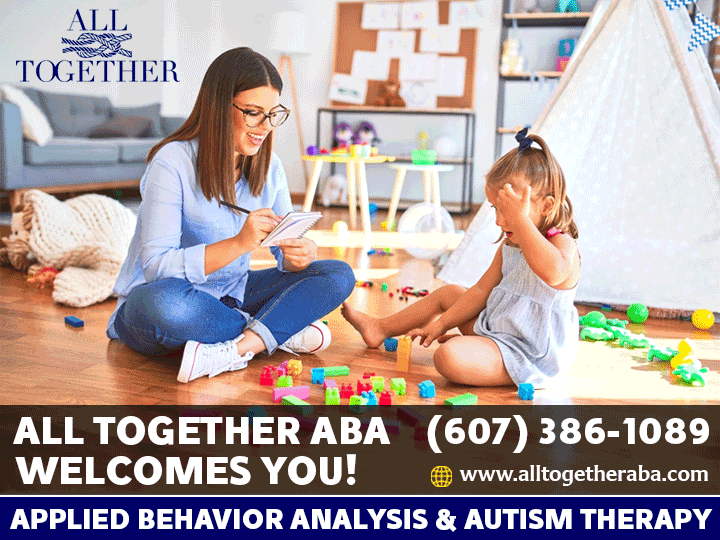

Q4: How is parent involvement ABA integrated without overwhelming families? A4: Use brief in-session coaching with one or two targets, embed strategies into existing routines (mealtime, bedtime), and follow up with simple data logs or video check-ins.
Q5: How do we track behavior generalization? A5: Collect probes across people, places, and materials on a set schedule (e.g., weekly). Success means the skill appears with minimal prompting in multiple contexts over time.